The Future Of Media
Voices that reveal the truth: Winners of the 2025 Maria Moors Cabot Prizes reflect on their journeys
27 / 11 / 2025

27 / 11 / 2025
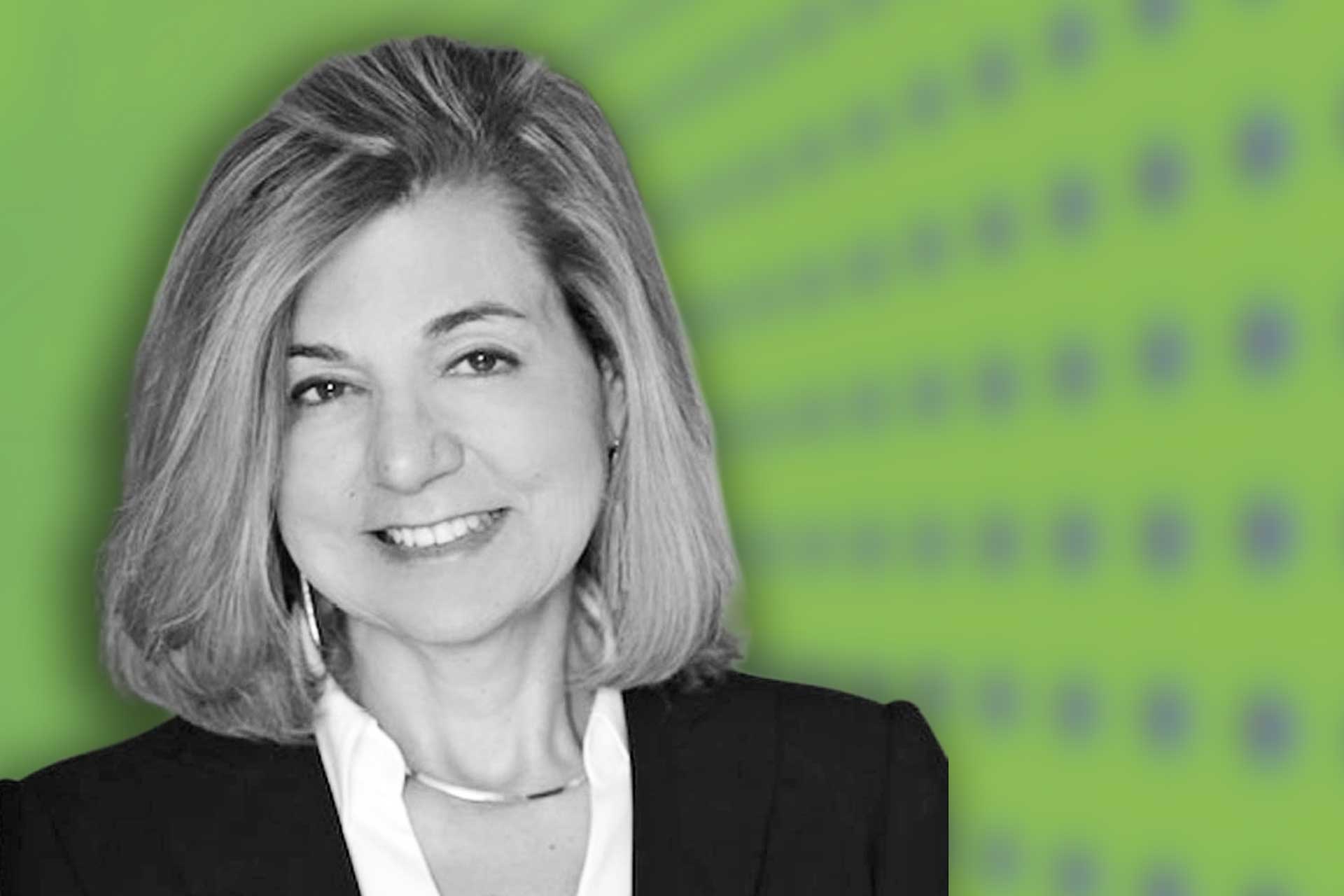
With an outstanding career at The Washington Post, The Atlantic and The New Yorker, Morais, now the editorial head of one of Columbia University's leading media outlets, delves into the enduring relevance of the essential values that should drive journalists of the next generations | By Javiera Díaz De la Paz
What is the Columbia Journalism Review? The Columbia Journalism Review (CJR) is a U.S.-based magazine dedicated to journalists and people involved in the world of communications. It was founded in 1961 and is published by Columbia University’s Graduate School of Journalism.
Known for its critical perspective, the magazine has become one of the most influential voices in media analysis. Its mission is to “be an intellectual leader in this fast-paced world of journalism.”
Betsy Morais took over as editor-in-chief of the magazine on November 1. In her editor’s note published on October 17, she noted that in these difficult times for the press, CJR can be a “place to stand firm.”
Regarding the limitations for journalists in the United States, Morais, who has previously reported for prominent outlets such as The New Yorker, Harper’s and The Atlantic, mentions that they are working on an article for the magazine about the working conditions for journalists covering topics at the Pentagon.
“It seems that at the Pentagon right now, they are pushing the limits of what has been done before, and we are working on an article about what those rules are and how journalists covering the Pentagon are responding to them,” Morais explains.
For Betsy Morais, reporting is the central element of covering a story. It involves the ability to dive into writing from every angle in order to produce the clearest text possible.
Morais explains that the true journalistic challenge is that we live in a complex world and it can be a real challenge to deal with these complications when trying to write something that makes sense. She suggests solving one obstacle at a time and states that telling events in chronological order can be helpful. “Accept the complexities and confusion, try not to be intimidated by them and face them to figure out what is really going on,” she explains.
She also emphasizes that to conduct good reporting, it’s necessary to find answers to all the questions we have, to possess a strong sense of determination and dedication, and, above all, to be filled with curiosity.
Morais mentions that when covering news in politically unstable environments, “wherever you are, you will want answers to your questions. You want to have enough confidence in your own knowledge to describe what is happening as clearly as possible. Having that confidence is not easy. Reporting on what is truly happening requires a lot of work.”
“I believe that the more questions you ask, the more you learn. The more reporting you do, the clearer your vision will be, and the clearer you have it, the better the people following your coverage will understand,” the journalist emphasizes.